Why Hydro Excavation Is Safer Than Traditional Digging in College Station, TX
Hydro excavation has rapidly become a preferred method for safe and precise digging, especially in infrastructure-driven regions like College Station, Texas. As urban development expands and underground utilities grow more complex, traditional digging methods such as mechanical trenching or backhoe excavation pose increasing risks. Striking buried pipelines, fiber optic cables, or water lines can result in costly damages, project delays, and serious safety hazards. This is where hydro excavation stands out as a modern, controlled solution that prioritizes both efficiency and protection.
Unlike conventional digging, hydro excavation uses pressurized water combined with a powerful vacuum system to break up and remove soil with remarkable accuracy. This non-destructive process significantly reduces the chances of accidental utility strikes, making it an ideal choice for sensitive excavation tasks. In a region where soil conditions, weather patterns, and dense utility networks present unique challenges, adopting safer excavation methods is not just beneficial—it is essential. Understanding why hydro excavation is safer than traditional digging provides valuable insight into how projects can be completed with greater confidence, reduced liability, and improved overall outcomes.
1. Understanding Hydro Excavation Technology
How Hydro Excavation Works
Hydro excavation uses high-pressure water combined with a powerful vacuum system to break up and remove soil efficiently. The water loosens and liquefies the ground, while the vacuum extracts the resulting slurry into a debris tank. This controlled approach allows for precise digging, minimizing disruption and avoiding damage to underground utilities and surrounding structures during excavation processes.
Key Components and Equipment
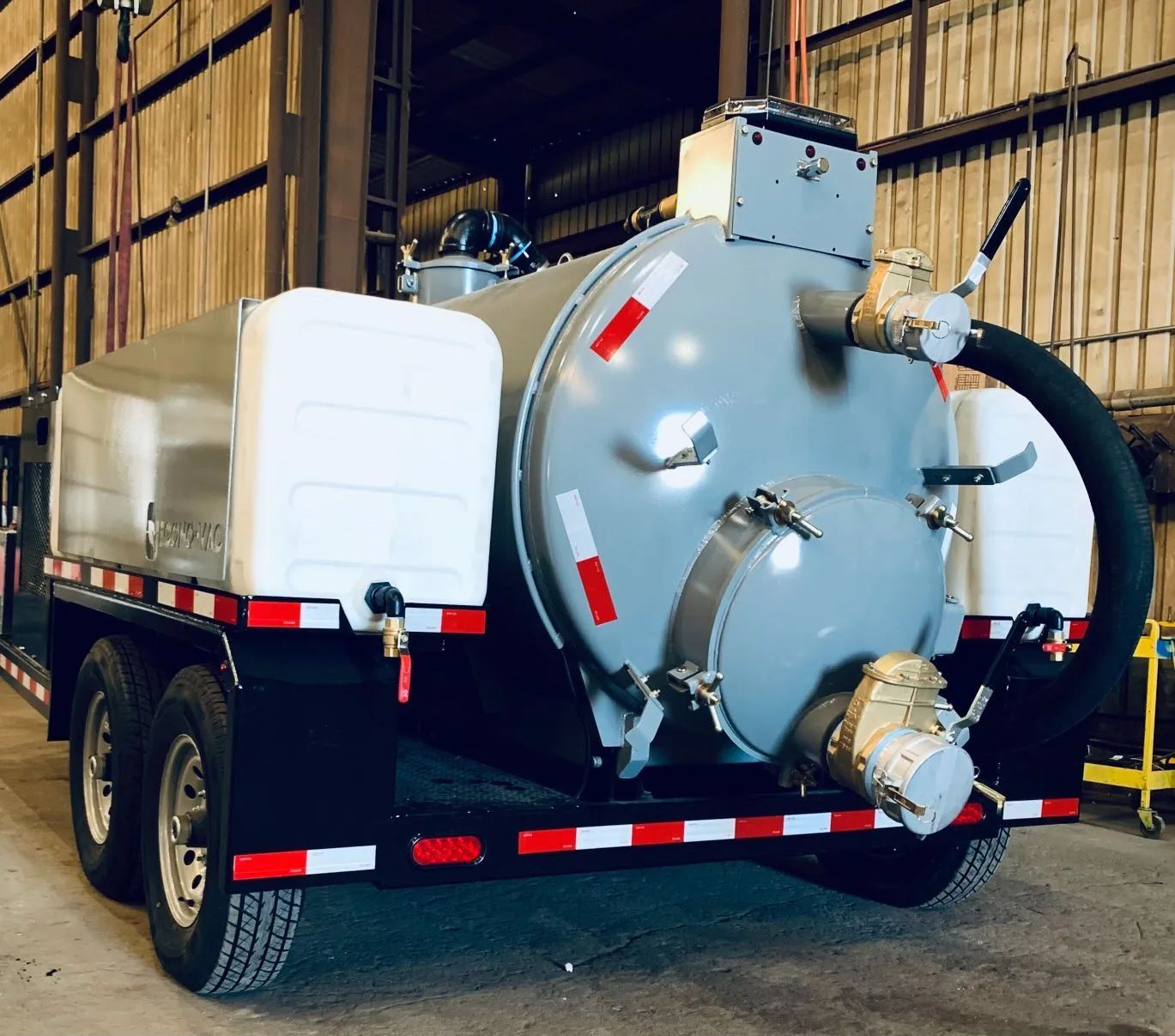
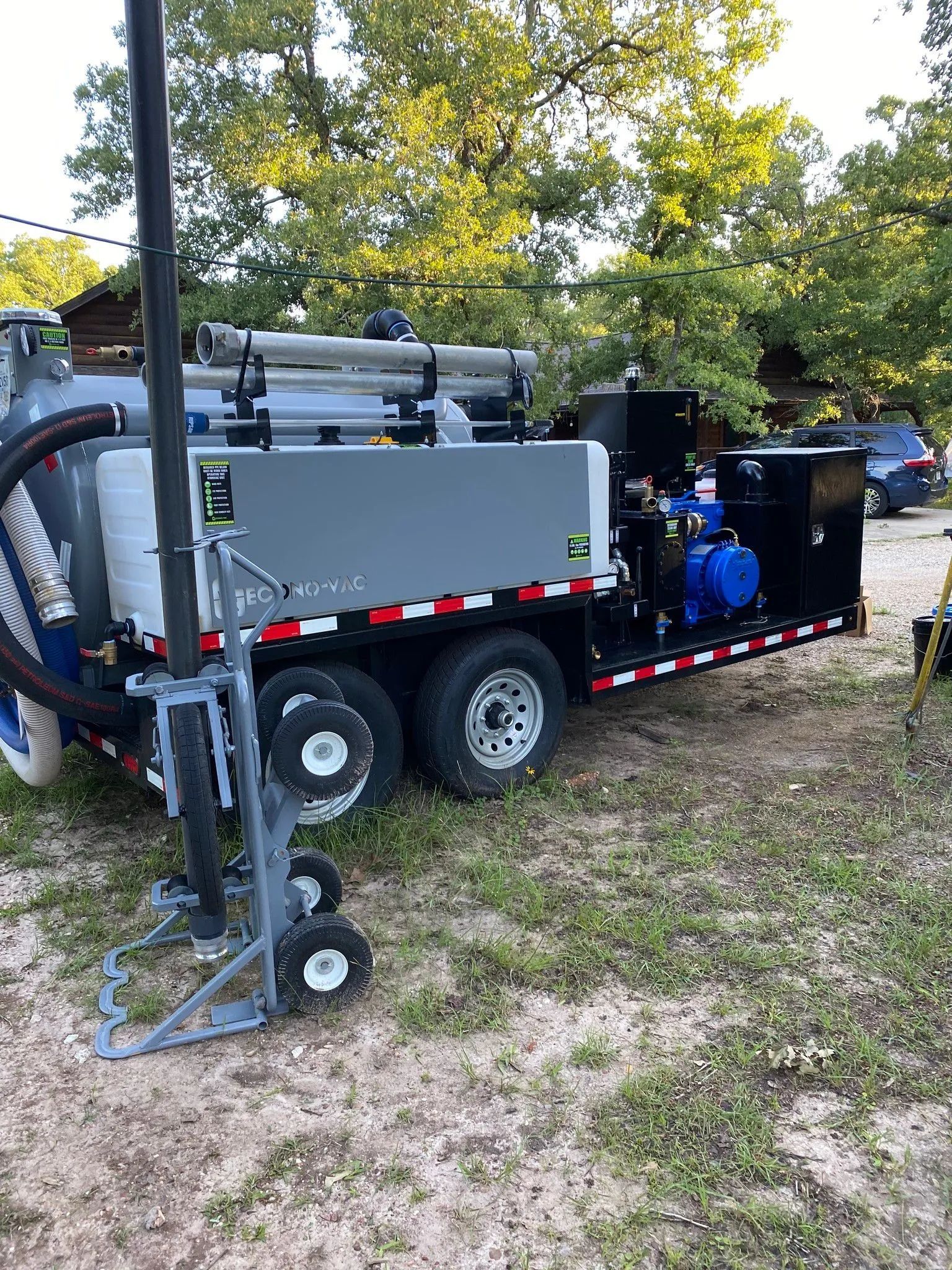
The process utilizes specialized trucks equipped with high-pressure water pumps, vacuum systems, and debris storage tanks. Some units include heating systems to handle frozen ground conditions effectively. These integrated components provide exceptional control and efficiency, allowing operators to perform excavation tasks with greater precision compared to traditional machinery such as backhoes, trenchers, or manual digging methods.
Why Precision Matters in Urban Environments
In densely developed areas, underground utilities are often tightly packed, making excavation risky. Even small mistakes can cause service disruptions, costly repairs, or safety hazards. Hydro excavation allows operators to carefully expose these utilities without direct contact. This precision is essential for construction, maintenance, and repair projects where accuracy, safety, and minimal disruption are critical to success.
2. Safety Advantages Over Traditional Digging
Reduced Risk of Utility Damage
Traditional excavation methods rely on heavy machinery that can easily strike underground infrastructure. This increases the risk of damaging gas lines, electrical systems, or communication cables. Hydro excavation reduces this danger by using pressurized water to gently expose utilities. The non-destructive approach ensures that critical underground assets remain intact while excavation work proceeds safely and efficiently.
Improved Worker Safety
Workers involved in traditional digging often face risks such as cave-ins, equipment-related accidents, and exposure to hazardous conditions. Hydro excavation significantly improves safety by reducing manual labor in dangerous zones. Operators can control the process from a safer distance, minimizing direct contact with excavation areas and heavy machinery, ultimately lowering the likelihood of workplace injuries and accidents.
Controlled Excavation Process
Hydro excavation offers a highly controlled digging process, allowing operators to focus only on targeted areas. This precision reduces unnecessary soil disturbance and prevents damage to nearby structures. By maintaining stability in the surrounding environment, the method lowers the chances of collapses or shifting ground, ensuring a safer and more reliable excavation process for both workers and project sites.
Lower Environmental Impact
Traditional digging methods often disturb large areas of soil, leading to erosion and damage to vegetation. Hydro excavation minimizes environmental impact by focusing only on specific excavation points. The controlled removal of soil preserves surrounding landscapes and reduces disruption. This environmentally conscious approach supports sustainable practices while maintaining safety and efficiency in excavation projects across various applications and conditions.
3. Efficiency and Cost Benefits
Faster Project Completion
Hydro excavation can significantly speed up project timelines compared to traditional digging methods. Its precision allows operators to work efficiently around existing utilities without constant interruptions. By reducing errors and eliminating the need for rework, projects can move forward smoothly. This efficiency is particularly valuable in time-sensitive construction and maintenance projects requiring reliable and consistent excavation performance.
Minimizing Repair Costs
Damaging underground utilities during excavation can lead to costly repairs and project delays. Hydro excavation greatly reduces this risk by providing a non-destructive method of digging. By avoiding accidental strikes, projects can stay within budget and avoid unexpected expenses. This cost-saving advantage makes hydro excavation an economically smart choice for both small and large-scale excavation projects today.
Reduced Labor Requirements
Hydro excavation relies on advanced equipment that reduces the need for extensive manual labor. Fewer workers are required to complete excavation tasks, which helps lower labor costs and improve overall efficiency. Additionally, minimizing manual involvement reduces the risk of injuries, creating a safer work environment while maintaining productivity and ensuring consistent results across various excavation projects and conditions.
Enhanced Productivity in Complex Projects
In projects with multiple underground utilities, traditional excavation often slows progress due to the need for caution. Hydro excavation allows for precise and confident digging, even in complex environments. This efficiency improves productivity by enabling faster completion without compromising safety. The ability to navigate challenging conditions makes hydro excavation an ideal solution for intricate and demanding excavation projects.
4. Challenges and Best Practices
Understanding Soil Conditions
Soil type plays a significant role in the effectiveness of hydro excavation. Different conditions require adjustments in water pressure and technique. Operators must evaluate soil composition and moisture levels before beginning work. Proper assessment ensures optimal performance and prevents inefficiencies, allowing excavation to proceed smoothly while maintaining safety and achieving accurate results across varying environmental and ground conditions.
Equipment Maintenance and Training
Maintaining hydro excavation equipment is essential for ensuring consistent performance and safety. Regular inspections and servicing help prevent breakdowns and extend equipment lifespan. Proper operator training is equally important, as it ensures correct usage and handling. Skilled operators can adapt to different conditions, improving efficiency while maintaining high safety standards throughout the excavation process and minimizing operational risks.
Managing Waste Disposal
Hydro excavation produces slurry that must be properly managed and disposed of according to regulations. Effective waste handling prevents environmental contamination and ensures compliance with local guidelines. Proper disposal practices also contribute to maintaining clean worksites. By managing waste responsibly, excavation projects can operate efficiently while protecting the environment and adhering to required safety and environmental standards consistently..
Planning and Coordination
Successful hydro excavation projects require thorough planning and clear communication. Coordination with utility providers and stakeholders ensures accurate information about underground systems. This reduces the risk of errors and enhances safety. Proper planning also improves efficiency by streamlining operations, allowing excavation work to proceed smoothly while meeting project timelines and maintaining high standards of quality and reliability.
5. Why Hydro Excavation Is the Future of Digging
Advancements in Excavation Technology
Hydro excavation technology continues to evolve, offering improved efficiency and performance. Modern equipment is designed to handle a wide range of conditions with greater precision. Innovations in vacuum systems and water pressure control enhance productivity. These advancements make hydro excavation more reliable and adaptable, positioning it as a leading solution for modern excavation needs across various industries and applications.
Increasing Industry Adoption
Industries are increasingly adopting hydro excavation due to its safety and efficiency benefits. Construction, utilities, and municipal sectors recognize its value in reducing risks and improving outcomes. This growing acceptance reflects a shift toward safer excavation practices. As more projects incorporate this method, hydro excavation is becoming a standard approach for achieving reliable and consistent results in excavation work.
Regulatory and Safety Standards
Stricter safety regulations are encouraging the use of non-destructive excavation methods like hydro excavation. Compliance with these standards helps reduce risks and ensures safer operations. Hydro excavation aligns with these requirements by minimizing damage and protecting workers. This makes it a preferred choice for projects that prioritize safety, regulatory compliance, and responsible excavation practices in today’s evolving industry landscape.
Long-Term Benefits for Infrastructure
Hydro excavation helps protect underground infrastructure by reducing the risk of damage during digging. This contributes to the longevity and reliability of essential systems. By minimizing environmental impact and preserving surrounding areas, it supports sustainable development. These long-term benefits make hydro excavation a valuable investment for projects focused on durability, safety, and efficient infrastructure management over extended periods.
Expert Hydro Excavation Services Backed by Proven Experience