What Is Hydro Excavation and How Does It Work?
Hydro excavation is rapidly becoming a cornerstone in modern construction, utility maintenance, and environmental management. Traditional excavation methods often involve heavy machinery, which can inadvertently damage underground utilities, compromise soil integrity, and create safety hazards. Hydro excavation offers a precise, efficient, and non-destructive alternative, revolutionizing how excavation projects are approached. By combining high-pressure water with powerful vacuum technology, it allows for controlled soil removal, reducing risks while improving overall project efficiency. For industries requiring meticulous digging around sensitive infrastructure, hydro excavation ensures accuracy, safety, and minimal disruption.
Understanding the mechanics and benefits of hydro excavation is essential for construction managers, utility operators, and environmental engineers alike. It is more than just a method of soil removal; it represents an investment in safety, precision, and long-term project sustainability. From uncovering underground pipes and cables to preparing sites for new installations, hydro excavation adapts to multiple applications across residential, commercial, and industrial projects. This article explores what hydro excavation is, how it operates, its key advantages, challenges, and best practices, providing actionable insights for professionals seeking efficient, reliable excavation solutions in today’s fast-paced construction and utility environments.
How Hydro Excavation Works
The Basic Principles
Hydro excavation relies on the controlled use of pressurized water and vacuum systems. High-pressure water is directed at the soil or substrate, breaking it into a slurry without causing structural damage to nearby utilities or surfaces. The loosened soil is then suctioned through a vacuum system and stored in a debris tank for safe disposal. This method eliminates the need for manual digging or mechanical machinery in sensitive areas, ensuring minimal risk of utility strikes or environmental disturbance.
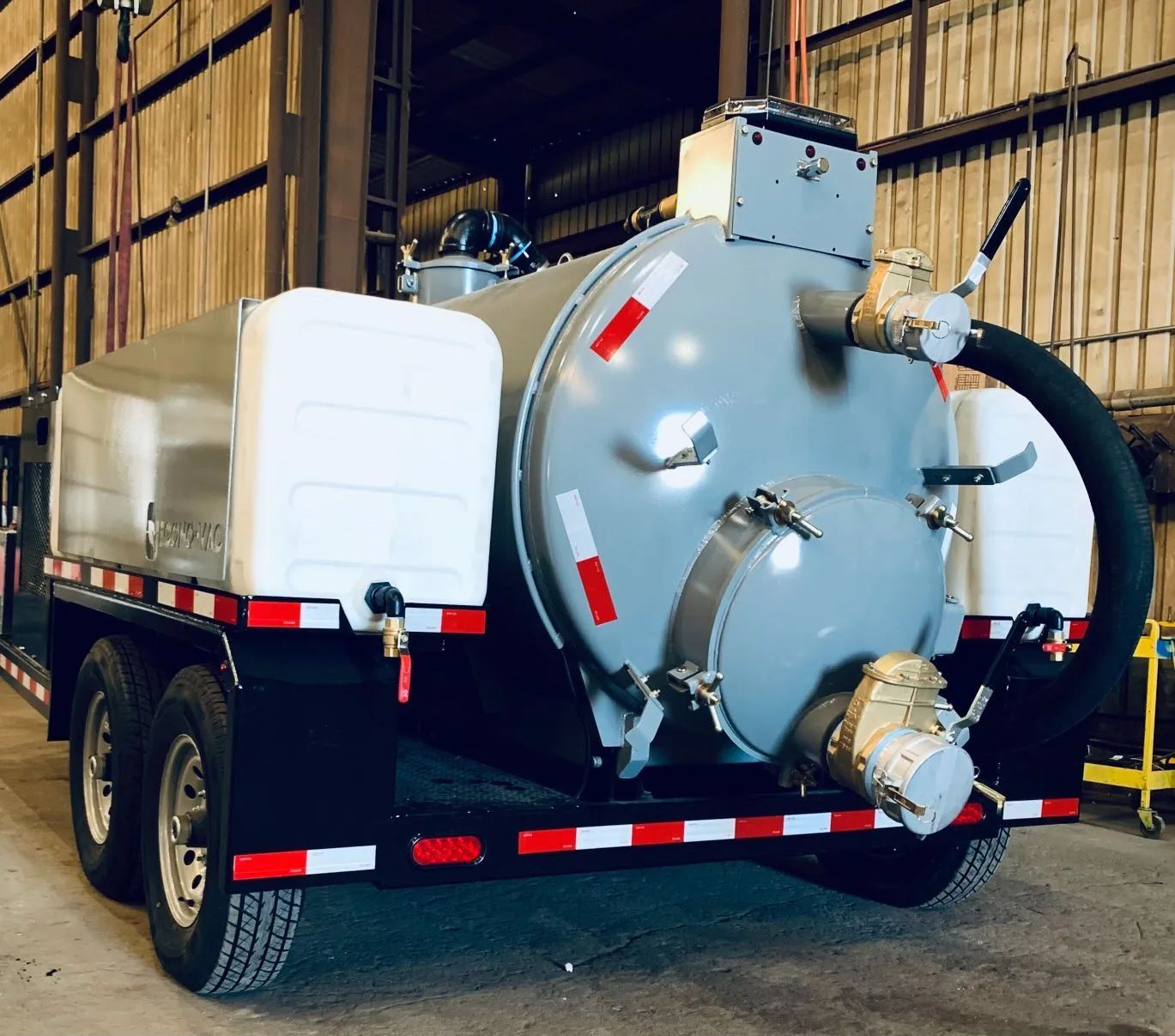
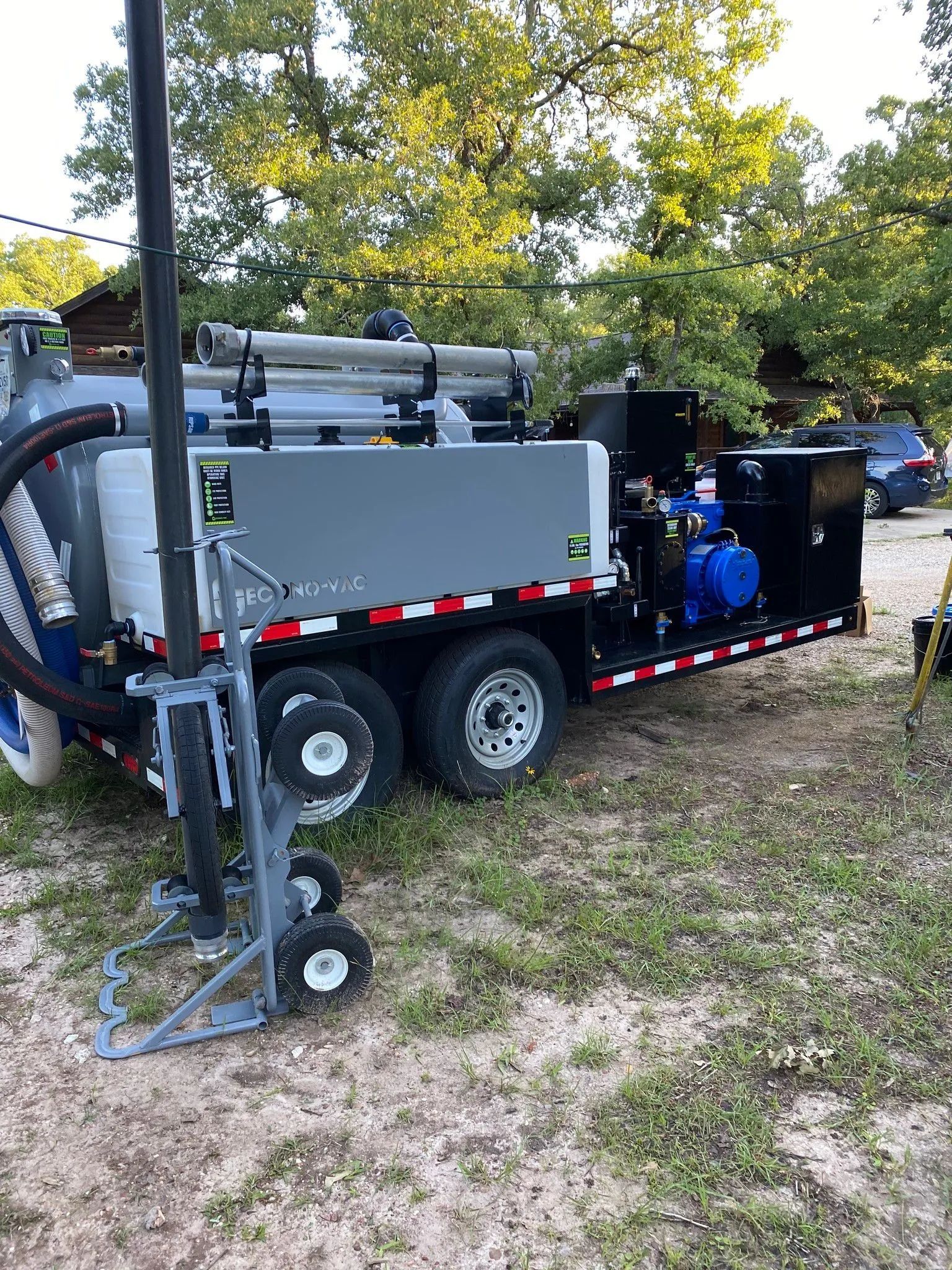
Equipment Components
- High-Pressure Water System: Delivers water at controlled pressure to loosen soil efficiently.
- Vacuum System: Extracts the slurry, preventing accumulation on the site and maintaining a clean work area.
- Debris Tank: Stores the removed soil and slurry for environmentally responsible disposal.
- Control System: Regulates water pressure, vacuum force, and flow rate to ensure precision.
The equipment is versatile, with options ranging from truck-mounted units for large projects to portable skid-mounted systems for restricted or urban locations.
Real-World Application Example
In urban infrastructure projects, hydro excavation is commonly used to expose gas lines or fiber optic cables. Traditional digging methods risk puncturing these critical utilities, leading to costly repairs and downtime. Hydro excavation allows precise exposure of the target utility while maintaining surrounding soil stability, reducing the risk of accidental strikes and enhancing overall project safety.
Key Benefits of Hydro Excavation
Safety Enhancement
One of the most significant advantages of hydro excavation is safety. Traditional excavation carries a high risk of striking underground utilities, leading to injuries, service disruptions, or legal liabilities. Hydro excavation mitigates these risks by using non-mechanical means to remove soil, allowing for controlled, accurate excavation near sensitive infrastructure.
Example: In municipalities with dense utility networks, hydro excavation minimizes the risk of accidental damage during routine maintenance or emergency repairs. Workers operate at a safe distance from high-pressure excavation points while maintaining complete visibility of surrounding utilities.
Precision and Efficiency
Hydro excavation allows for precise digging with minimal disruption to surrounding soil. This accuracy is particularly beneficial in areas where space is limited, or utilities are densely packed. Excavation around pipelines, electrical conduits, or telecom lines can be completed quickly without compromising structural integrity.
Example: Installing new water meters in residential neighborhoods can be challenging using traditional excavation. Hydro excavation efficiently removes soil around the existing meter, allowing for installation or replacement without excessive digging, reducing time and labor costs.
Environmental and Soil Protection
Unlike mechanical excavation, hydro excavation preserves the surrounding soil structure, reduces soil compaction, and prevents erosion. This is essential for environmentally sensitive sites, landscaping projects, or locations requiring post-excavation restoration.
Example: In park restoration or wetland projects, hydro excavation removes soil with minimal environmental impact. The surrounding vegetation and soil layers remain largely intact, allowing for faster site recovery and reduced environmental damage.
Versatility Across Industries
Hydro excavation serves multiple sectors, including construction, utilities, municipal services, and environmental management. Its applications range from potholing, daylighting utilities, and trenching to emergency response and industrial maintenance.
Example: In industrial plants, hydro excavation can safely remove debris around machinery or piping systems without halting operations, avoiding costly downtime and maintaining productivity.
Applications of Hydro Excavation
Utility Exposure and Maintenance
Hydro excavation is particularly useful in exposing underground utilities for repair, maintenance, or inspection. Accurate soil removal reduces the risk of damaging sensitive infrastructure such as gas, water, electrical, or telecom lines.
Example: During fiber optic cable installation, hydro excavation ensures minimal disruption to surrounding pavement or landscaping while exposing conduit routes precisely.
Potholing and Daylighting
Potholing, also known as daylighting, involves creating small access points to locate utilities accurately. Hydro excavation provides controlled exposure of subsurface structures, making potholing faster, safer, and less invasive compared to traditional methods.
Example: City planners use hydro excavation to daylight water and sewer lines before road resurfacing. This approach avoids unexpected utility strikes and reduces delays in project timelines.
Trenching and Site Preparation
Hydro excavation can create trenches for pipe installation, drainage systems, or irrigation networks. The precision and non-destructive nature of hydro excavation allow for narrow, deep trenches without disturbing adjacent structures.
Example: Landscaping contractors use hydro excavation to install irrigation lines in established gardens, preserving plants and existing soil layers while completing trenching tasks efficiently.
Emergency Response and Industrial Cleanup
Hydro excavation is valuable for emergency scenarios where rapid excavation is necessary. It is also employed in industrial cleanup for removing debris, sludge, or contaminated soil without manual handling.
Example: Following a chemical spill in an industrial site, hydro excavation can remove contaminated soil safely while minimizing exposure risk and maintaining compliance with environmental regulations.
Key Benefits of Hydro Excavation
Cost Implications
Hydro excavation typically involves higher upfront costs compared to traditional excavation methods. Specialized equipment, skilled operators, and maintenance requirements contribute to the investment. However, cost savings often arise from reduced utility damage, faster project completion, and lower labor costs.
Best Practice: Evaluate project complexity and potential utility risks to determine whether hydro excavation provides long-term savings and safety benefits.
Equipment Limitations
While hydro excavation is highly versatile, it may have limitations in extremely frozen ground, very dense clay soils, or areas where water access is restricted. Certain terrains may require pre-treatment or supplemental techniques to enhance effectiveness.
Expert Insight:
Operators should assess soil conditions and environmental factors before deployment to optimize water pressure, vacuum suction, and excavation strategy.
Regulatory Compliance
Hydro excavation projects must comply with local regulations, including environmental standards, utility marking laws, and waste disposal requirements. Failure to adhere to these guidelines can result in fines or project delays.
Best Practice: Ensure permits are obtained, underground utilities are marked, and debris disposal follows environmental regulations to maintain compliance.
Operator Skill and Training
Effective hydro excavation depends on operator expertise. Skilled operators can adjust water pressure, vacuum force, and excavation technique to match project conditions, reducing errors and enhancing safety.
Actionable Tip: Invest in certified hydro excavation training and continuous skills development to maximize precision, efficiency, and safety on the job site.
Best Practices for Hydro Excavation
Pre-Excavation Planning
Thorough planning is crucial for hydro excavation projects. Identify underground utilities, soil type, and environmental considerations before starting. A detailed site survey helps prevent accidents and ensures smooth execution.
Example: Utility mapping and site inspections allow for accurate potholing, preventing accidental strikes and minimizing project delays.
Controlled Water Pressure
Adjusting water pressure based on soil type and project requirements is critical. Excessive pressure can damage utilities or surrounding structures, while insufficient pressure may slow excavation.
Tip: Use variable pressure settings to adapt to soil density, proximity to utilities, and project depth for precise and safe excavation.
Effective Slurry Management
Proper handling and disposal of the soil-water slurry is essential for environmental compliance and site cleanliness. Slurry storage tanks and containment procedures prevent contamination and facilitate safe removal.
Example: Municipal projects often require adherence to strict disposal protocols. Hydro excavation allows for on-site containment, reducing environmental impact and simplifying post-excavation cleanup
Post-Excavation Assessment
Inspect the excavation site for potential soil instability, utility exposure, or environmental impact. Documenting the process supports regulatory compliance, quality assurance, and future project planning.
Tip: Conduct a post-excavation assessment to confirm utility integrity, restore surrounding soil, and ensure the site is safe for continued use.
Precision Hydro Excavation Solutions From Experienced Professionals
Hydro excavation has transformed traditional excavation practices by combining safety, precision, and environmental responsibility. Its ability to remove soil without damaging underground utilities or surrounding structures makes it an indispensable tool in modern construction, utility maintenance, and industrial applications. With benefits including enhanced safety, operational efficiency, soil protection, and versatility across industries, hydro excavation addresses challenges that conventional methods cannot. Awareness of equipment limitations, regulatory requirements, and operator expertise ensures successful, risk-managed project execution. By adhering to best practices such as pre-excavation planning, controlled water pressure, slurry management, and post-excavation assessment, projects achieve superior outcomes while minimizing environmental and operational risks.
At MVR-TX Construction, we bring 35
years of specialized experience in hydro excavation services to College Station, Texas. Our expertise ensures safe, efficient, and precise excavation for commercial, residential, and industrial projects. By leveraging advanced equipment, skilled operators, and industry best practices, we deliver results that prioritize safety, protect infrastructure, and maintain project timelines. Clients can rely on our commitment to quality, regulatory compliance, and exceptional service, making MVR-TX Construction
the trusted authority for hydro excavation needs in the region. Our reputation reflects decades of reliability, precision, and dedication to innovative excavation solutions.